Hardware start-ups rarely fail because they cannot make a prototype. They struggle in the gap between a prototype that works and a first production batch they can afford. A printing bureau will happily print prototype after prototype. A moulder will quote a tool built for a million parts. Neither helps you decide when to stop iterating, how much to spend on a mould, or what to sell in between.
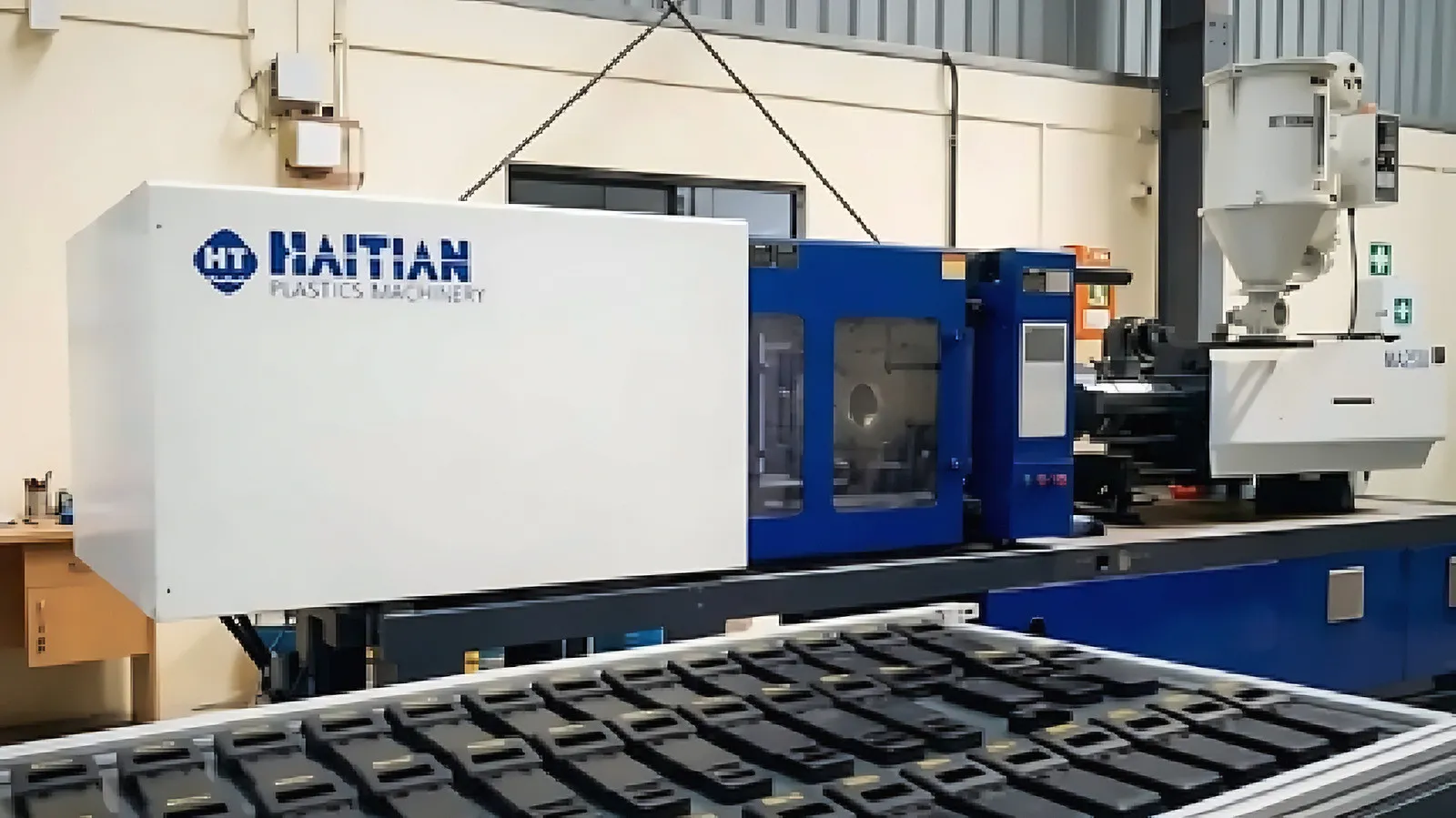
AURO3D works across that gap. We design and check parts in-house, print prototypes and pilot batches on 12 FDM and 2 resin printers, and mould production parts on our own 250-tonne Haitian press. Our founder, Niket Shah, is a mechanical engineer who also spent 6+ years as a software product manager, so the conversation covers what to build first, not only how to make it.
The path we usually recommend
| Stage | What you do | What we make | What you should learn |
|---|---|---|---|
| 1. Looks-like / works-like prototype | Test size, ergonomics, fit of electronics | 1–5 printed prototypes (FDM or resin) | Does it fit and work? |
| 2. Engineering prototype | Freeze key dimensions, test assembly | Revised prints in the intended material family | Can it be assembled reliably? |
| 3. Pilot batch | Sell or trial with real users | 20–100 printed units, finished if needed | Will people buy and use it? |
| 4. Moulding-ready design | DFM changes for the mould | Final printed sample from moulding CAD | Is the design ready for steel? |
| 5. First production | First moulded batch | Moulded parts on our 250-tonne press | Cost, quality, repeatability |
Each stage has a decision at the end. Not every product should go to stage 5; some are better sold as printed products for a long time.
Design for manufacturing from the first print
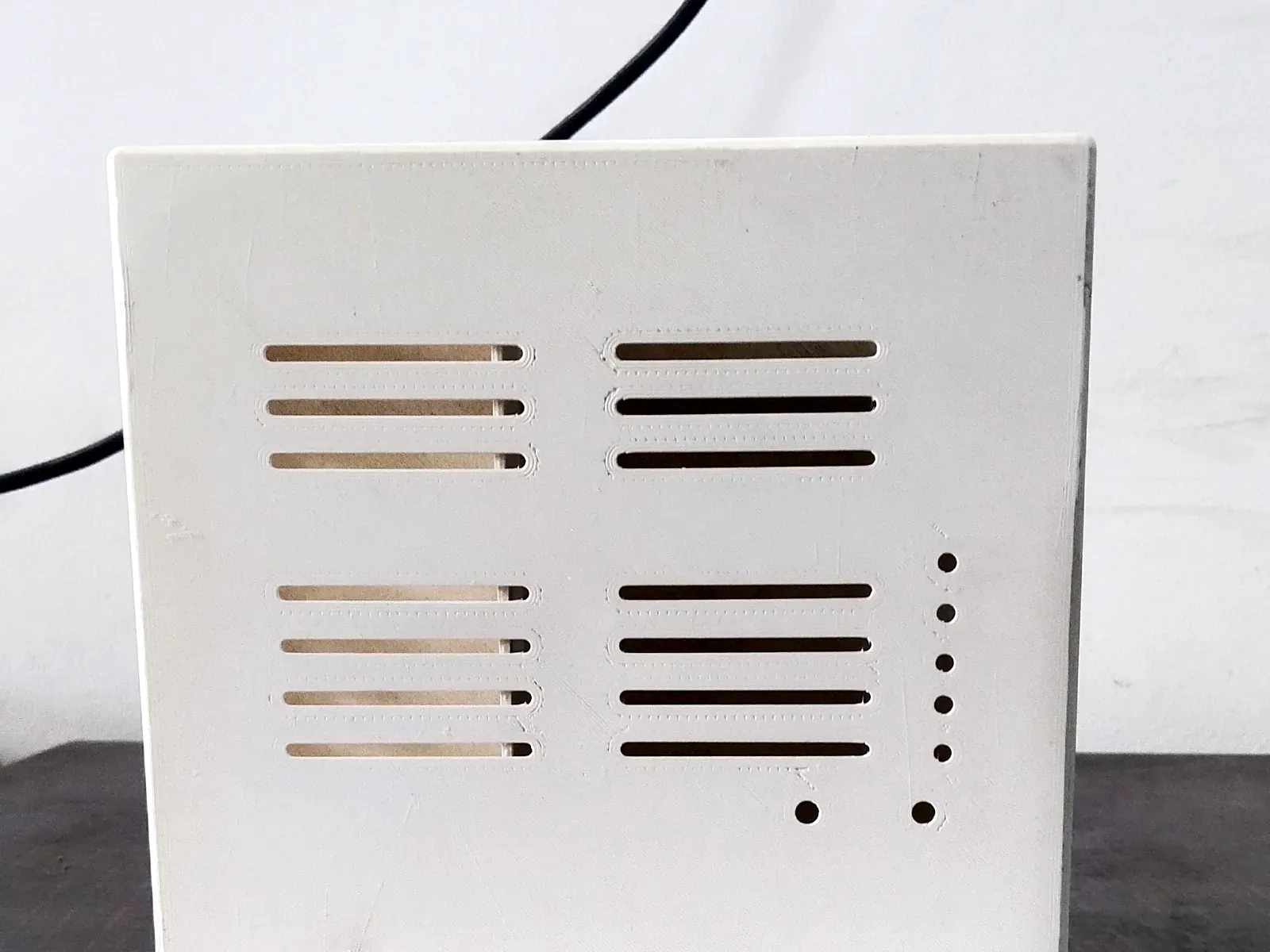
The cheapest time to make a part mouldable is before anyone gets attached to it. Our designer checks prototypes against moulding rules early:
- Uniform walls, roughly 1.5–3 mm for most small ABS and PP parts
- Draft on faces that slide out of the mould
- Ribs instead of thick sections, to avoid sink marks
- Undercuts removed or simplified, because each one can add sliders or lifters to the mould
- Bosses and snap-fits designed for the moulded material, not only for the print
A part designed this way prints just as well, and moves to a mould with fewer changes. Our DFM checklist lists the full set.
Planning the mould budget
Founders often ask, “How much is a mould?” The better question is, “What is the smallest mould that serves my first year of sales?”
A first mould can often be single-cavity with minimal side actions. It costs less upfront and is enough for early volumes. A multi-cavity tool can follow once demand is proven. We help you compare options with the numbers side by side.
Here is the method, with illustrative figures only (not our prices): suppose a mould is quoted at ₹60,000 and the moulded part costs ₹15, while the same part printed in PLA costs ₹170. Each moulded part saves ₹155, so the mould pays back after roughly 390 parts (₹60,000 ÷ ₹155). If you expect to sell 2,000 units in the first year, the mould is clearly worth it. If you expect 200, it is not yet. For real mould and part prices, we quote your design individually after a free DFM check.
Pilot batches: selling before tooling
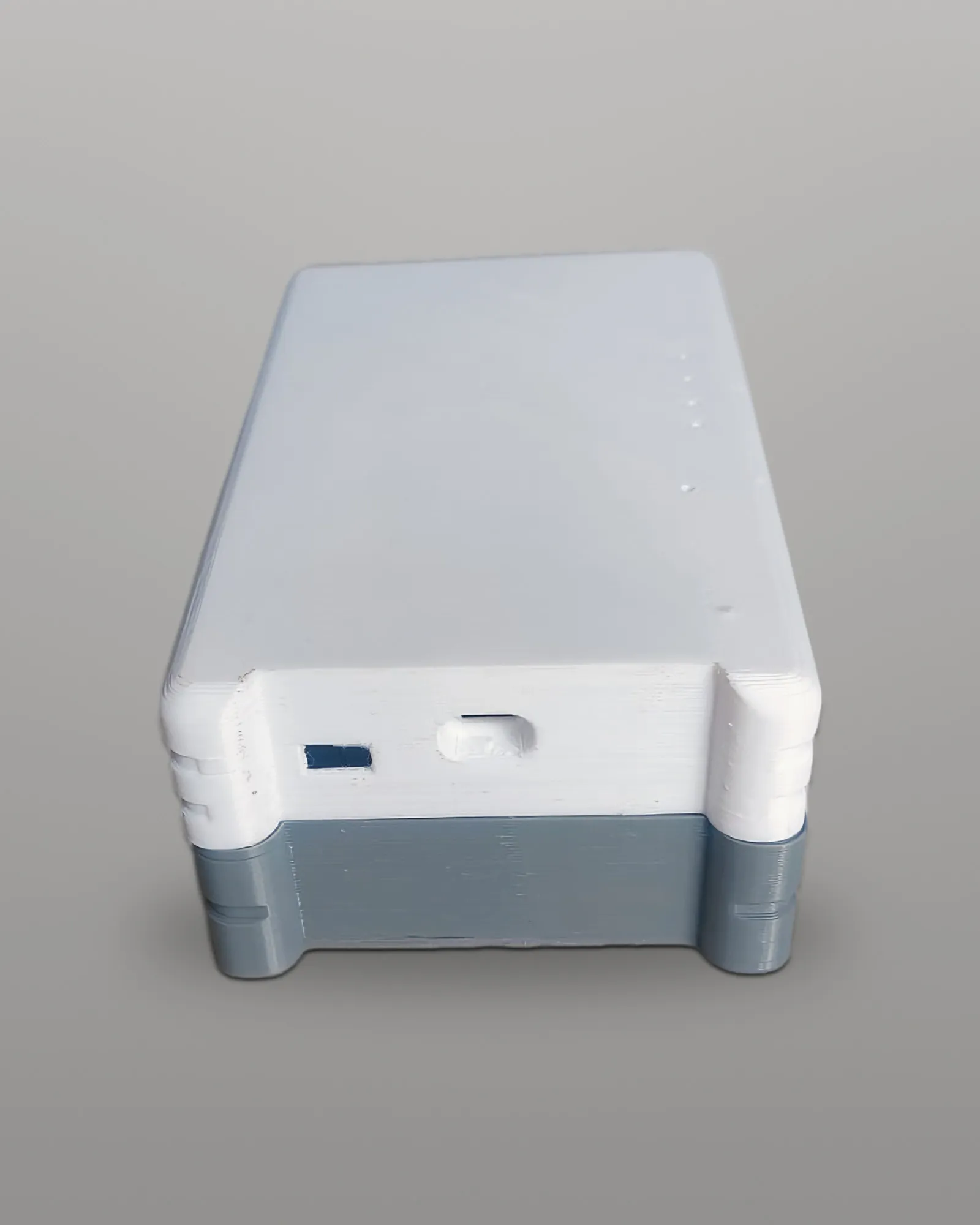
Printed pilot batches are underrated. With 12 FDM printers, a batch of identical parts is practical, and the price per part is almost the same at 10 or 100 because 3D printing has very little quantity discount. For example, 10 small PLA enclosures (100×60×30 mm) come to ₹1,699 + 18% GST = ₹2,005.
Pilot units can be sanded, primed and painted to look close to a finished product. See finishing. Selling them tells you more about demand than any survey, and the feedback goes into the design before the mould is built.
Working with a small factory
There are trade-offs in choosing us over a large contract manufacturer. We are a small team in Sangli. We do not design PCBs, and we will not pretend to offer certifications we do not hold. What you get instead is direct access to the people making your part, prototype and production in the same factory, and a press that is our own rather than a subcontractor’s.
Start-ups outside Sangli can work with us remotely: files by email or WhatsApp, prints by courier, video calls for reviews. Delivery times depend on the job and are confirmed with each quote. Before committing to a mould, we recommend one factory visit.
Terms that matter to founders
- NDA signed on request; files used only to quote and make your parts
- Quotes valid for 7 days, GST 18% shown separately
- 50% advance, 50% before dispatch
- Changes after confirmation may cost extra, so freeze what you can before ordering
- Mould and design ownership: ask us before you order
What to send
- CAD (STEP preferred), a sketch, or a reference product
- What stage you are at, and what you need to learn next
- Expected quantities for the next 12 months, even if rough
- Your target retail or selling price, so we can flag cost problems early
WhatsApp +91 93568 71008 or use the form below.