A good plastic part starts long before anyone prints or moulds it. The common problems we see are not dramatic: a wall that is 6 mm thick in one place and 1.5 mm in another, screw bosses joined straight to the outer wall, a box with perfectly vertical sides, a snap-fit with no room to flex. Each one is harmless on screen. On a mould, each one becomes sink marks, warping, a part that sticks in the tool, or a correction that costs real money and weeks of delay.
AURO3D designs plastic parts with the manufacturing process in mind from the first sketch. Design is led by our founder Niket Shah, a mechanical engineer with a master’s degree in mechanical engineering and more than 10 years of engineering experience, supported by our in-house mechanical designer. Because we also print and mould in the same factory, design decisions are tested on real parts, not just argued about.
Engineering and product thinking together
Niket also spent more than six years as a product manager in software. That shapes how we run design projects: before drawing anything, we ask who uses the product, what it must do, how many you expect to sell and what each part can cost. A beautifully engineered enclosure that costs three times your target is not a good design.
In practice this means we will sometimes recommend fewer parts, a simpler shape, a standard fastener instead of a custom feature, or printing the first batch instead of building a mould. The goal is a product you can sell, not a drawing.
What we design
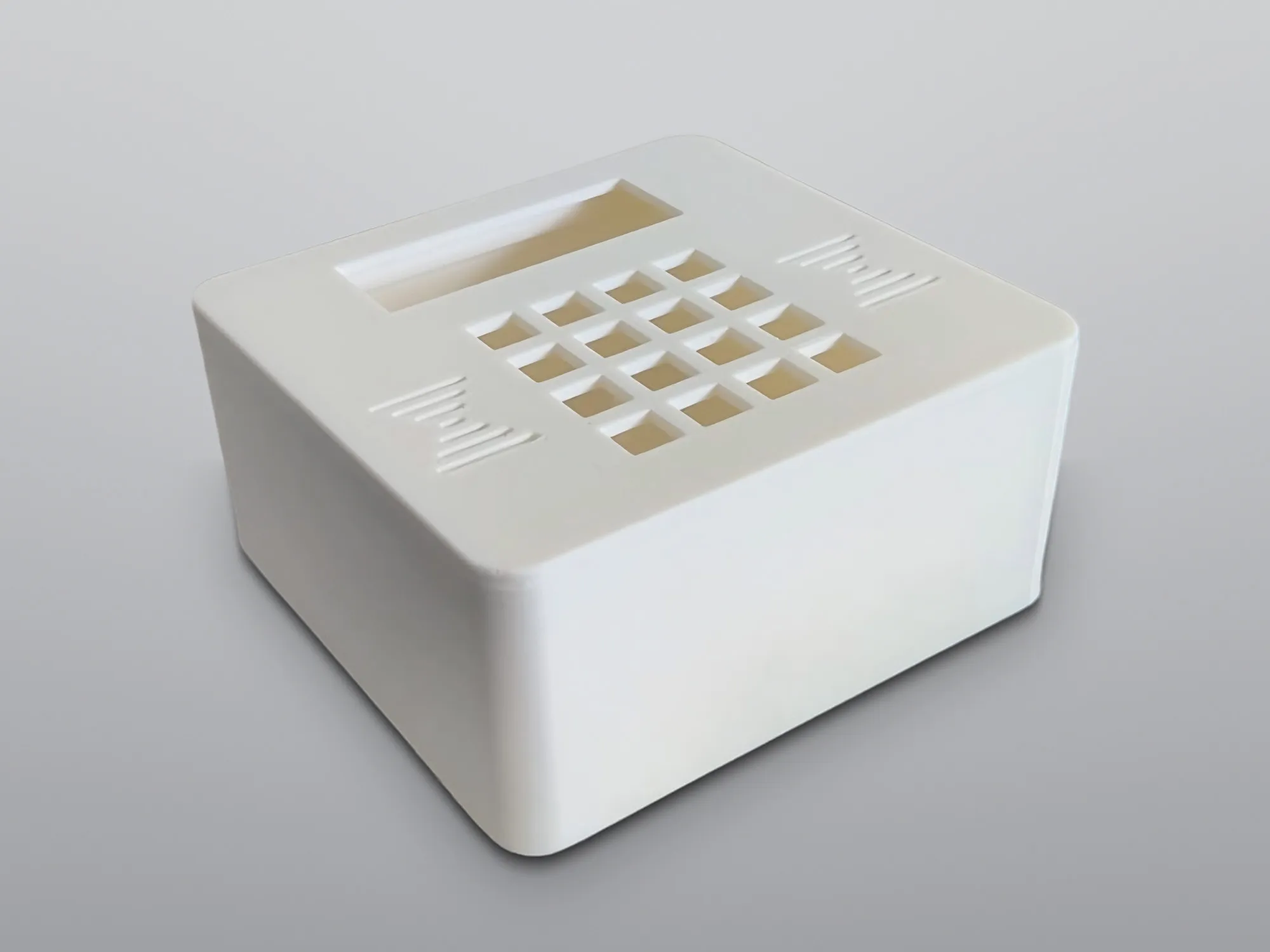
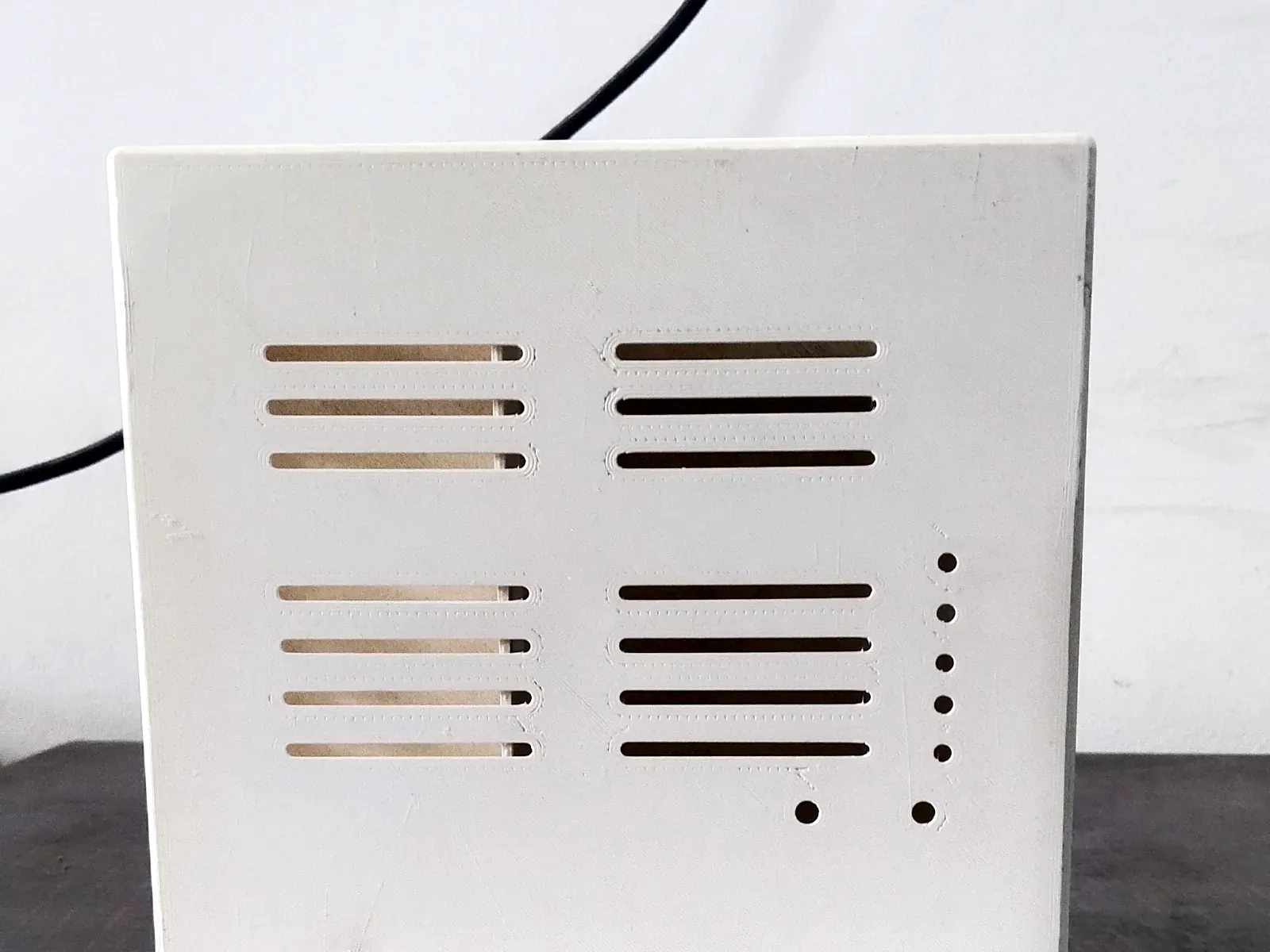
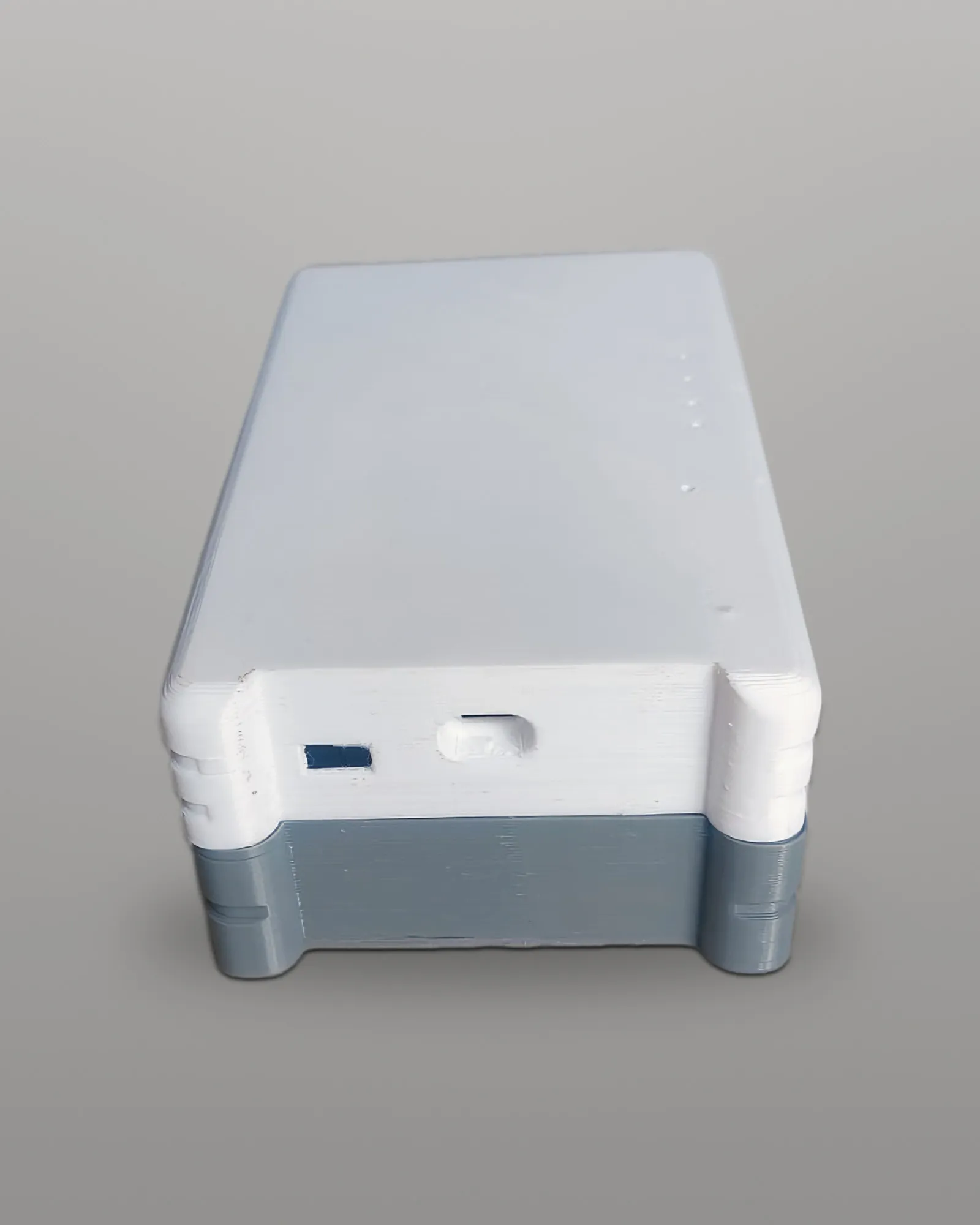
- Electronic enclosures and housings around your PCB, display, connectors and battery, with mounting bosses, cable entries, vents and assembly features.
- Handheld and desktop devices where ergonomics, appearance and assembly all matter.
- Mechanical parts: brackets, guides, covers, knobs, clips, gears and mechanisms.
- Jigs and fixtures for assembly and inspection, designed to be printed.
- Moulding-ready versions of existing parts that were designed for printing or machining.
- New products for start-ups and manufacturers, from the first concept model to production files.
Designing for 3D printing versus moulding
The same part can need quite different design choices depending on how it will be made. We design for the process you will actually use, and if moulding is likely later, we design so the change is small.
| Design topic | For 3D printing | For injection moulding |
|---|---|---|
| Wall thickness | Flexible; thick walls cost more but work | Should be even, typically about 1.5–3 mm for small parts |
| Draft angles | Not needed | Needed on faces in the pull direction, typically 1–2° |
| Undercuts | Usually free | Each one may need a slider or lifter, adding mould cost |
| Internal channels and lattices | Possible | Usually impossible or very costly |
| Ribs | Optional | Best at about 50–60% of wall thickness to avoid sink |
| Text and logos | Fine detail possible, especially in resin | Raised text is easier to make in the mould |
| Part count | Can merge parts into one complex print | Simpler parts with snap-fits often cost less overall |
| Tolerances | Depends on printer and orientation | Depends on material shrinkage and mould accuracy |
Our DFM review
When you send a part for moulding, we review it against a checklist before any mould is quoted. The review covers:
- Wall thickness and uniformity, and where thick sections should be cored out.
- Draft on all faces that move against the mould.
- Undercuts, and whether a design change can remove them.
- Ribs and bosses: proportions, fillets and how they join the wall.
- Gate location and parting line, and how they affect appearance.
- Shrinkage and warping risk for the chosen material, especially PP and HDPE.
- Assembly: snap-fits, screw bosses, alignment features and tolerances between mating parts.
- Cosmetic faces: where ejector pin marks, gate marks and parting lines will appear.
You receive a marked-up list of issues with suggested changes. The DFM check is free with every moulding enquiry. Our DFM checklist guide explains each point in detail.
How a design project runs
- Brief. You share sketches, existing parts, PCB outlines, photos, quantities and target cost. We sign an NDA first if you want one.
- Concept. We propose the part layout, split lines and how parts assemble, often with a quick FDM print to hold in your hand.
- Detailed CAD. We model the parts with walls, ribs, bosses, fits and, if moulding is planned, draft.
- Prototype and test. We print the parts, you assemble and test them, and we revise. Changing a print costs a few hundred rupees; changing a mould costs far more.
- Release. You receive production-ready files and drawings, and if you want, we batch-print or mould the parts.
Common mistakes we fix
- Designs copied from machined parts. Machined parts are often solid; moulded parts need to be shelled with even walls.
- Screw bosses fused to the outer wall. This causes sink marks on the visible face. A short rib connection works better.
- Snap-fits with no flex length. The hook breaks on first assembly, or never engages.
- No draft on deep boxes. The part sticks in the mould or gets scratched on ejection.
- Tolerances copied from metal practice. Plastics shrink and move with temperature; specify tight tolerances only where they matter.
- Too many separate parts. Every extra part adds a mould or a print, plus assembly time.
Working from what you have
If you do not have CAD at all, that is fine. We can start from hand sketches, a broken part, a cardboard mock-up or photos with key dimensions. For existing physical parts, our reverse engineering service measures the sample and models it, and then the DFM review improves it.
Tolerances, fits and material choice
Many design problems come from carrying metal-working habits into plastic. Plastics shrink as they cool, expand with heat far more than steel, and some absorb moisture. A ±0.01 mm tolerance copied from a machined drawing is rarely achievable or necessary on a plastic part, and asking for it adds cost.
We specify tolerances only where they matter: bearing seats, snap-fit engagements, PCB mounting points, sealing faces and mating features. Everywhere else, a general tolerance is enough. Achievable tolerances depend on the process and material.
Material choice is part of the design, not an afterthought:
- PP suits living hinges, caps and chemical contact, but is hard to glue or paint and shrinks more.
- HDPE is tough and good outdoors, but needs very even walls to avoid warping.
- ABS gives a good cosmetic surface, holds screws well and paints easily.
- Printed prototypes in PLA, PETG, ABS or Nylon approximate these, but a printed part never behaves exactly like a moulded one, so we flag where a printed test can mislead.
What to send us
- Your current files: CAD, drawings, sketches or photos with key dimensions.
- What the part must do, where it is used and what it touches.
- Expected quantity in the first year, and a target cost per part if you have one.
- Mating components: PCB outline, connectors, fasteners, other parts.
Design fees are quoted per project after we see the brief. Files are used only to quote and make your parts. Call or WhatsApp +91 93568 71008, or visit us at Kanadwadi, Savali, Sangli, for a design review across the table.