A special-purpose machine is a one-off, or close to it. That makes plastic parts awkward. The machine needs a part nest shaped to the customer’s component, a cable guide routed around a particular frame, a guard with cut-outs in the right places, a gripper finger that matches one product. Machining each of these from a block of acetal or nylon is slow and wasteful, and nobody will make a mould for two pieces.
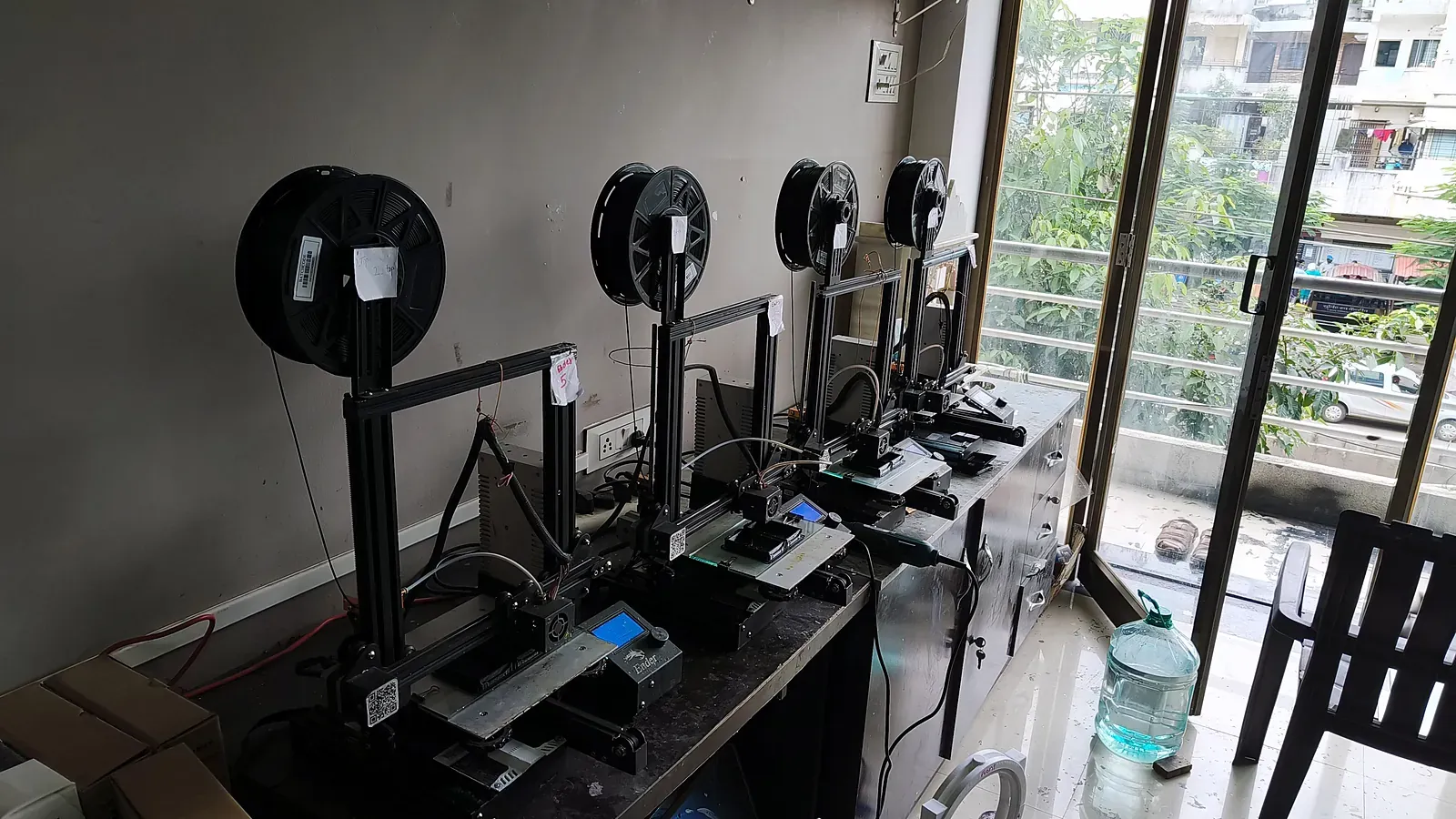
3D printing fits this work. We print jigs, fixtures and machine parts directly from your CAD on 12 FDM printers, in PETG, ABS or Nylon, with fine-detail parts on resin. When a part turns out to be the same on every machine you build, we can mould it on our 250-tonne press.
Parts we make for SPM and automation builders
| Part | Typical use | Suggested material |
|---|---|---|
| Part nests and locators | Hold a component in the right position for assembly, welding, testing | PETG or Nylon |
| Gripper fingers | Pick-and-place, robot end-of-arm tooling | Nylon or PETG |
| Checking fixtures and gauges | Go/no-go checks, position checks at a station | PETG, ABS or resin for fine features |
| Guards and covers | Safety covers, sensor and cable covers | ABS or PETG |
| Cable management | Cable clamps, chain end pieces, glands, routing clips | PETG or Nylon |
| Sensor and switch brackets | Mount proximity sensors, photo-eyes, limit switches | PETG or ABS |
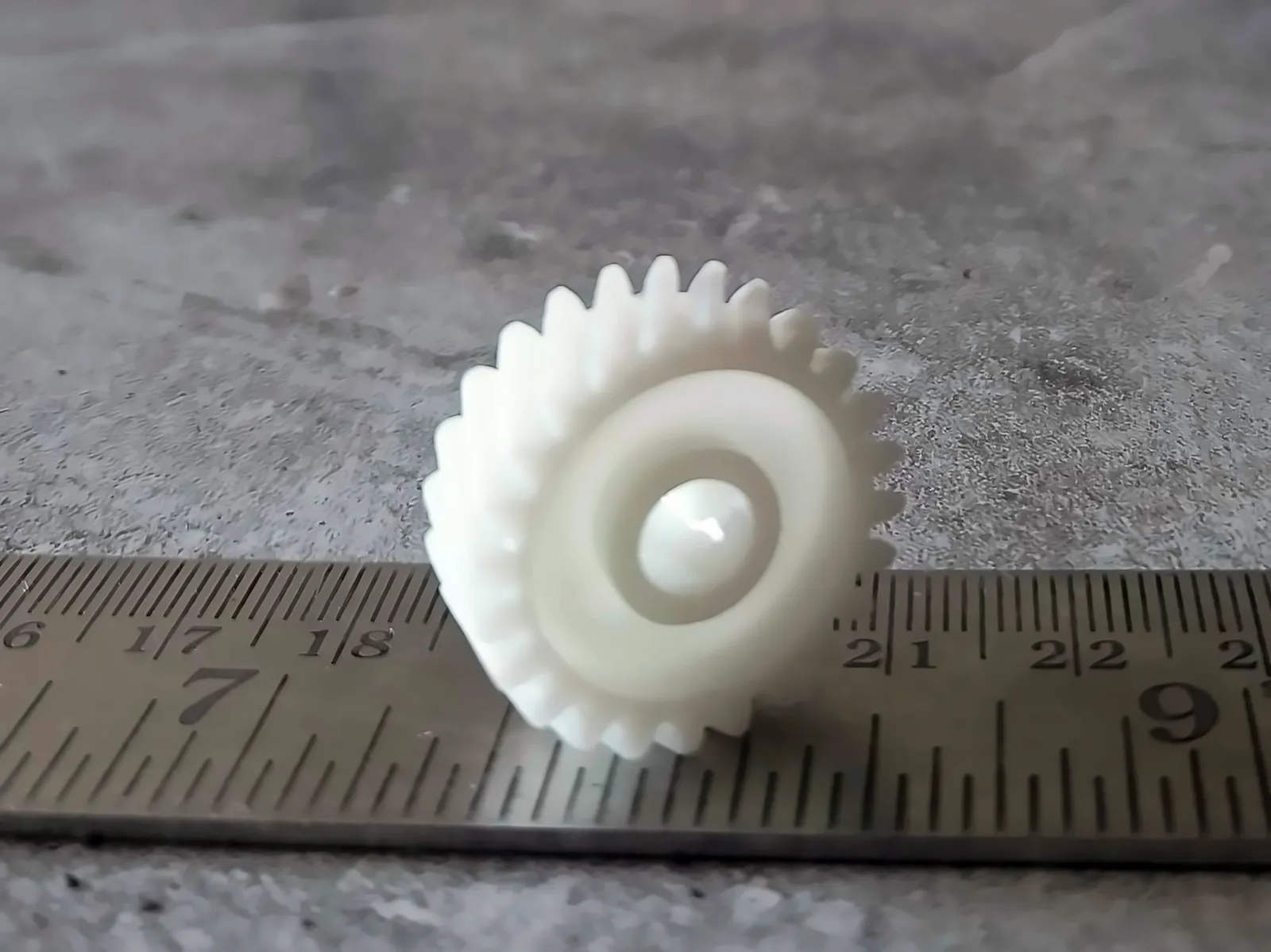
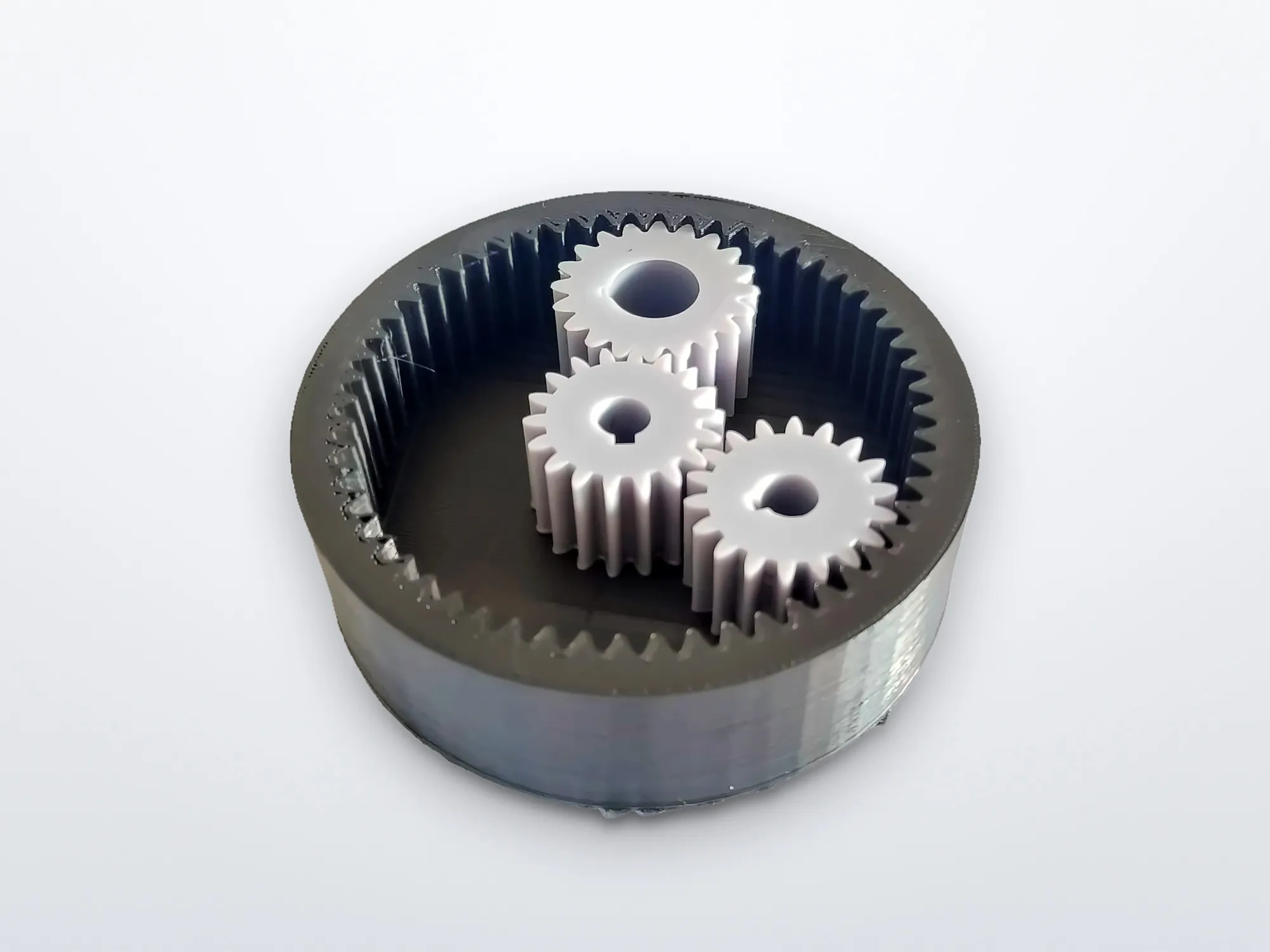
| Spares | Discontinued rollers, bushes, gears, knobs | Nylon |
| Pendants and HMI housings | Operator push-button boxes, small housings | ABS |
Printed parts also work well as soft jaws and contact pads on metal fixtures. The metal base takes the load; the printed insert matches the product shape and avoids marking finished surfaces.
Why print fixtures instead of machining them
- Speed. A fixture can go from CAD to printed part without programming a machine or waiting for raw material.
- Complex shapes are free. A nest that follows a cast or moulded part’s contour costs the same to print as a plain block.
- Lighter end-of-arm tooling. Printed fingers and adaptors can be hollow or ribbed, reducing load on a gripper or robot.
- Iterate cheaply. If the first nest is slightly tight, change the CAD and print again. A revision costs a fraction of a machined one.
- Easy to replace. Keep the file and reprint a worn nest or broken guard when needed.
The limits are real too: printed parts are less stiff than metal, they creep under constant heavy load, and PLA in particular softens with heat. We will tell you when a part should be machined instead.
Choosing a material for working parts
- PETG is our usual default for fixtures. It is tough, not brittle, and resists many oils and coolants.
- Nylon is the choice for gears, rollers, gripper fingers and anything sliding or wearing. It costs more per gram (about ₹7.06/g against ₹3.13/g for PLA/PETG in our quote formula, plus handling).
- ABS handles more heat than PETG and can be drilled, tapped and painted.
- Resin (Standard, ABS-like or Nylon-like) suits small, precise items like gauges and small gears, with 0.05 mm layers on a 219 × 123 mm build plate.
See our Nylon and PETG guides for more.
Indicative prices
From our quote formula, excluding GST:
| Part | FDM PLA | FDM ABS | Resin Standard (qty 1 / qty 10 each) |
|---|---|---|---|
| Bracket 50×30×20 mm, 3 mm wall (≈18 g) | ₹76 | ₹93 | ₹136 / ₹107 |
| Small gear 30×30×10 mm, solid (≈11 g) | ₹53 | ₹62 | ₹93 / ₹78 |
PETG prices like PLA per gram; Nylon costs more. These figures are indicative and the final quote depends on your actual file.
Design tips for printed fixtures
- Thicker walls, not solid blocks. Three or four perimeters with a moderate infill is usually stiffer per rupee than a solid part.
- Plan for metal inserts. Use heat-set brass inserts for screws you will tighten repeatedly, and press-fit dowel bushes for accurate location.
- Orient for strength. Printed parts are weaker between layers. Tell us the load direction and we will orient the part so layers are not peeled apart.
- Leave material for critical holes. If a hole must be precise, we can print it slightly undersize for reaming.
Keeping a digital spares library
Machine builders often support their machines for years after delivery. If the plastic parts on each machine are saved as print-ready files, a broken guard or nest at a customer site can be reprinted and couriered without searching for an old drawing or the original vendor. You can send the same file again for repeat orders, so your service team does not have to redraw the part.
When a machine part should be moulded
If you build several machines of the same model each year, some plastic parts repeat on every one: cable clamps, covers, knobs, sensor brackets. Once yearly quantity is high enough, a simple mould on our injection moulding press can bring the part price down sharply. We print and test the part first, then show you the break-even quantity. We quote every mould individually after a free DFM check.
What to send
- STEP file (preferred), STL, or a dimensioned drawing
- What the part does, the load direction, and any temperature or chemical exposure
- Quantity per machine and machines per year if it repeats
WhatsApp +91 93568 71008. Quotes are valid for 7 days, GST shown separately. Your files are used only to quote and make your part.