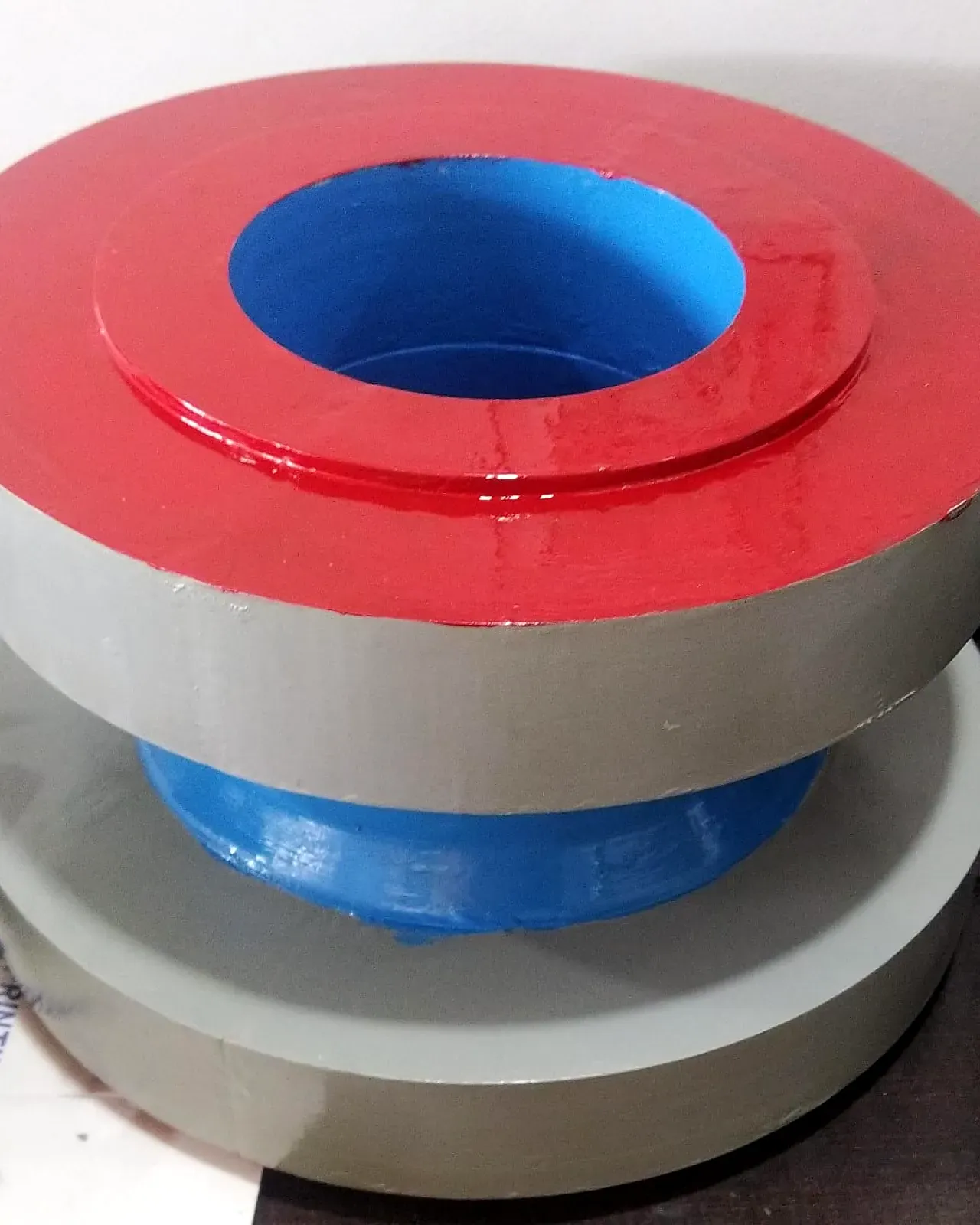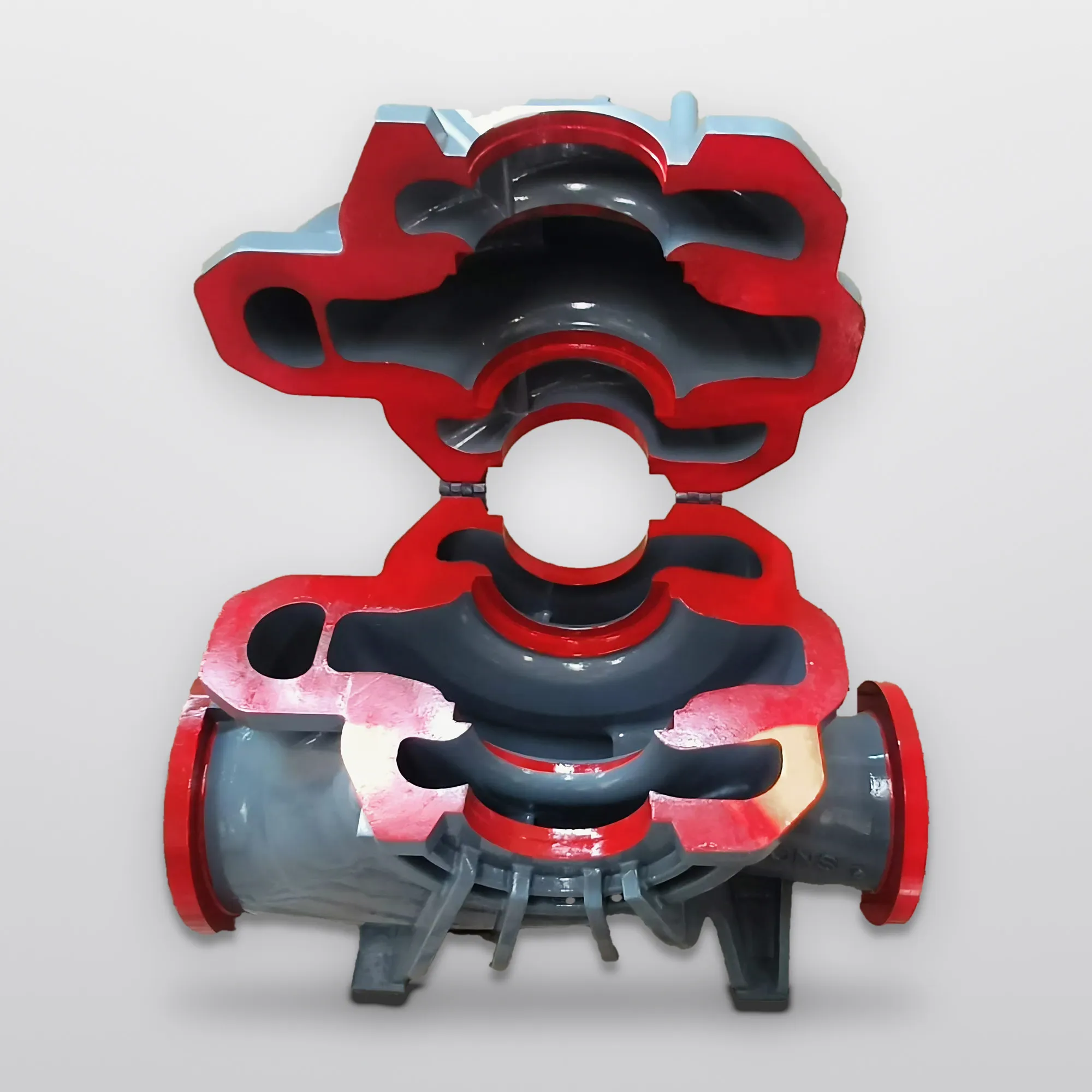
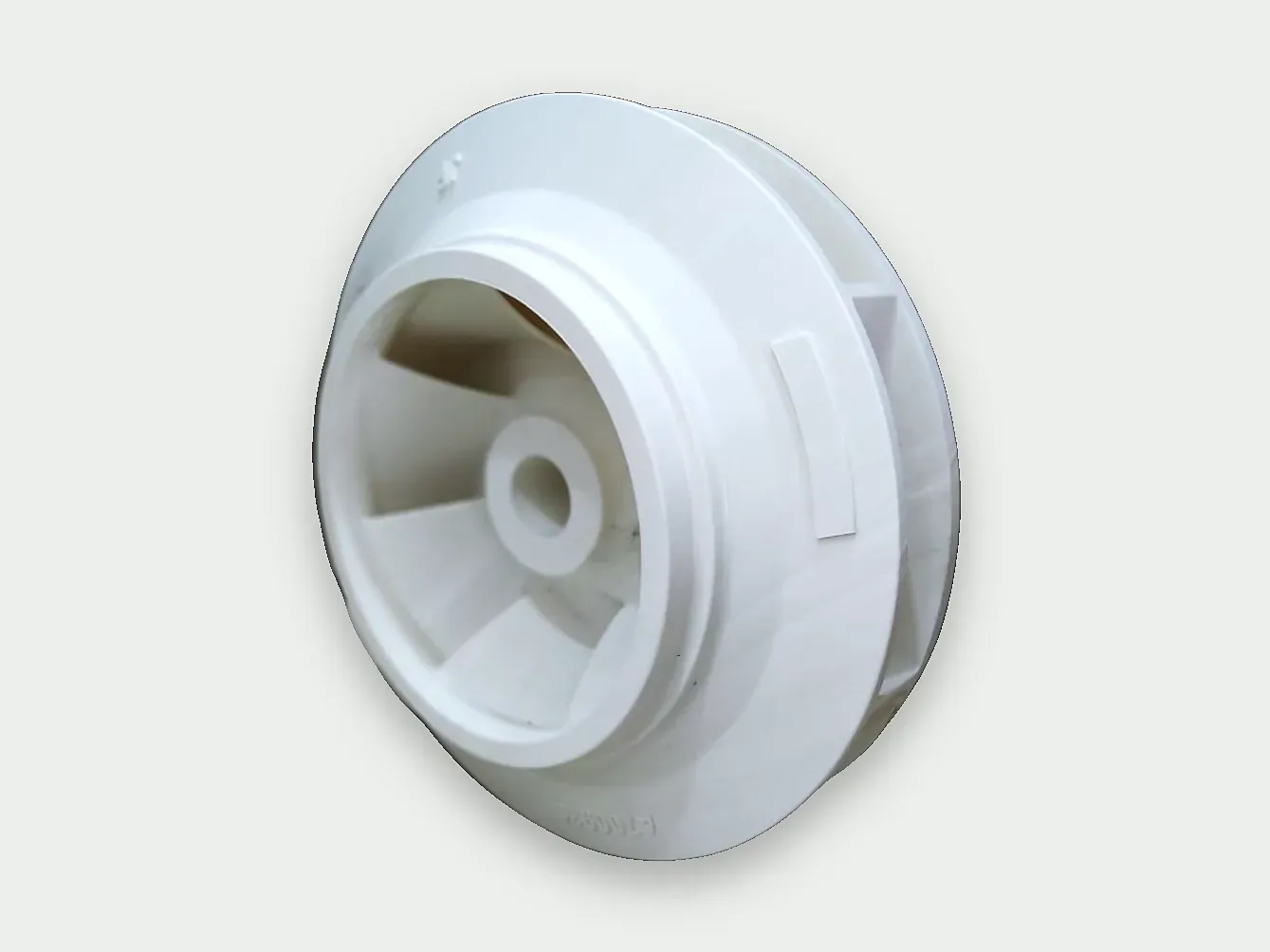
A new casting is often held up by the pattern. A pattern maker carving a complex shape in wood can take a while, and if the first casting shows a problem, the pattern is modified by hand and the cycle repeats. For a sample order or a short run, the pattern cost and waiting time can be out of proportion to the casting order itself.
3D printing changes the first step. If you have a 3D model of the casting, we can print the pattern directly, with your shrinkage and machining allowances built in, and paint it ready for the moulding line. For small precision castings, we print burn-out patterns in castable resin for investment casting. AURO3D is in Sangli, close to the foundry clusters of Kolhapur, Sangli–Miraj and Belagavi.
What we print for foundries
| Item | Process | Typical use |
|---|---|---|
| Loose pattern | FDM | Sample castings, short runs, complex shapes |
| Pattern on match plate (pattern halves) | FDM, mounted by the foundry | Small and medium runs |
| Core box | FDM | Cores with complex internal passages |
| Pattern insert or modification | FDM | Changing a feature on an existing pattern |
| Investment casting pattern | Castable resin | Small, detailed precision castings |
| Gating and riser models | FDM | Trial of a new gating layout |
Printed patterns are especially useful for impellers, pump and valve bodies, manifolds and brackets with curved surfaces, where hand-making a pattern takes the most time.
Sand casting patterns on FDM
We print sand casting patterns in PLA, ABS or PETG on our 12 FDM printers. PLA is stiff and accurate for patterns that will not see heat; ABS and PETG are tougher if the pattern will be handled and rammed many times.
A good printed pattern needs:
- Correct allowances. Shrinkage for your alloy, machining stock on the faces you specify, and draft on vertical faces. You give us your foundry’s values; we apply them in CAD.
- A defined parting line. If you have already decided it, mark it. If not, we can suggest one, but the foundry should confirm it.
- Core prints sized to match the core box.
- Surface finish. Layer lines can hold sand. We sand, fill and paint patterns for clean release. See finishing.
Pattern life depends on how many moulds are made, the sand system and handling. For prototypes and short runs a printed pattern is often enough; for long production runs, discuss whether a more durable pattern is needed later.
Investment casting with castable resin
For small, intricate parts, our DLP resin printers print castable resin at 0.05 mm layers on a 219 × 123 mm build plate. The printed pattern is assembled onto a tree and shelled like a wax pattern, then burnt out before pouring.
Castable resin patterns make sense when:
- you need a few castings and a wax injection die is not justified;
- the part is too detailed for a hand-made wax;
- you are testing a design before investing in a wax die.
Burn-out schedules for castable resin differ from wax. Your investment caster should follow the resin’s recommended cycle; tell us the process and we will advise on shell and burn-out considerations from the resin data.
From an old casting to a new pattern
Many foundries have castings with no drawing and a pattern that is worn, broken or lost. We can reverse-engineer the casting: measure it, model it in CAD, add back machining and shrinkage allowances, and print a new pattern. The CAD file stays with you, so the next replacement is quicker.
Printed pattern or wooden pattern?
| Factor | 3D-printed pattern | Hand-made wooden pattern |
|---|---|---|
| Complex curved shapes | Same effort as simple shapes | Time grows with complexity |
| Starting point | Needs a 3D model (we can make one) | Can work from a 2D drawing |
| Design change | Edit CAD and reprint | Rework by hand |
| Very large patterns | Printed in sections and joined | No size limit from a printer |
| Long production life | Depends on use; may need replacing | Depends on wood and construction |
Both have a place. Many foundries will use printed patterns for samples and complex parts, and keep traditional patterns for large, simple, long-running jobs.
Trying a new gating or riser layout
When a casting shows shrinkage or misruns, the fix is often in the gating and feeding. Printed gating, runner and riser models let a foundry try a revised layout on a trial mould without remaking the main pattern. Because the pattern exists as CAD, changing a riser size or moving an ingate is an edit and a reprint, not a rebuild by hand.
Indicative pricing
Pattern prices follow our printing formula: material weight plus handling, plus any finishing. For example, a solid 30×30×10 mm part costs about ₹53 in PLA, and a 40×40×60 mm hollow part about ₹107 in PLA or ₹237 in Standard resin as a single piece, all excluding GST. Patterns are larger and need finishing, so they are quoted individually from your model. These figures are indicative only.
What to send
- Casting model (STEP preferred) or a 2D drawing, or an existing casting to copy
- Alloy and process (green sand, no-bake, investment)
- Shrinkage and machining allowances, and parting line if decided
- Number of patterns and whether finishing or painting is required
WhatsApp +91 93568 71008 or visit our factory at Kanadwadi, Savali, Sangli. Quotes are valid for 7 days with GST shown separately.