Final-year projects have a familiar problem. The idea and the calculations are done, the report is half written, and the hardware needs a part that does not exist: a gearbox housing, a sensor mount, a turbine blade, a linkage, a scale model of a plant. Machining it is expensive and slow. Buying something close and modifying it rarely looks good at the viva.
3D printing solves most of this. We print project parts in PLA, PETG, ABS and Nylon on 12 FDM printers, fine-detail parts on resin, and paint scale models for exhibitions. AURO3D is in Savali, Sangli, within reach of students from nearby colleges such as Walchand College of Engineering in Sangli, KIT in Kolhapur and DKTE in Ichalkaranji.
What students and colleges print
| Project type | Typical parts | Suggested process |
|---|---|---|
| Mechanical final-year projects | Gears, housings, brackets, linkages, mounts | FDM in PLA, PETG or Nylon |
| Mechatronics and robotics | Robot chassis parts, grippers, sensor and motor mounts | FDM in PETG or ABS |
| Electronics and IoT projects | Enclosures for PCBs, sensors and displays | FDM in PLA or ABS |
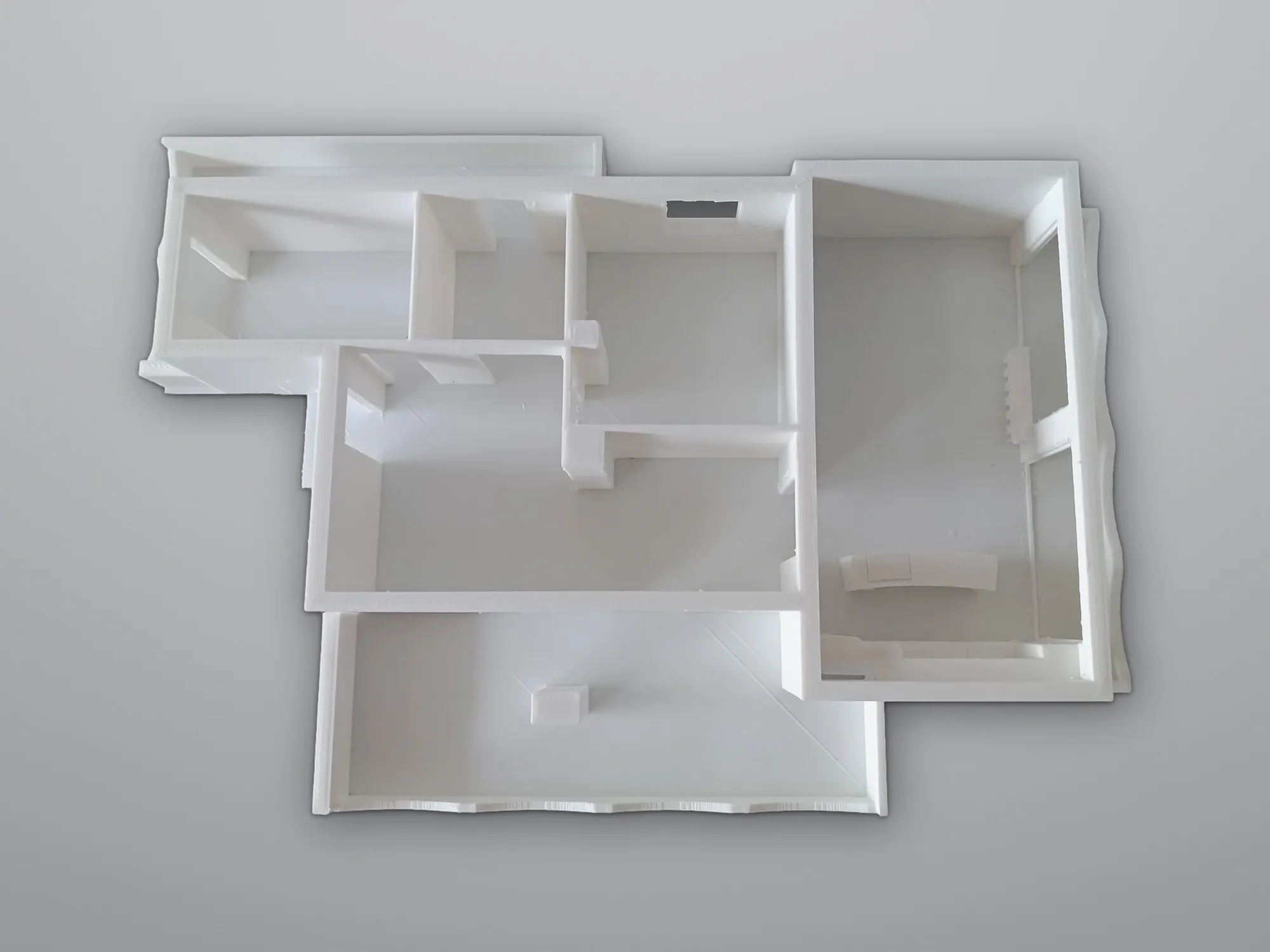
| Civil and architecture | Building and site models, floor-plan models | FDM, painted |
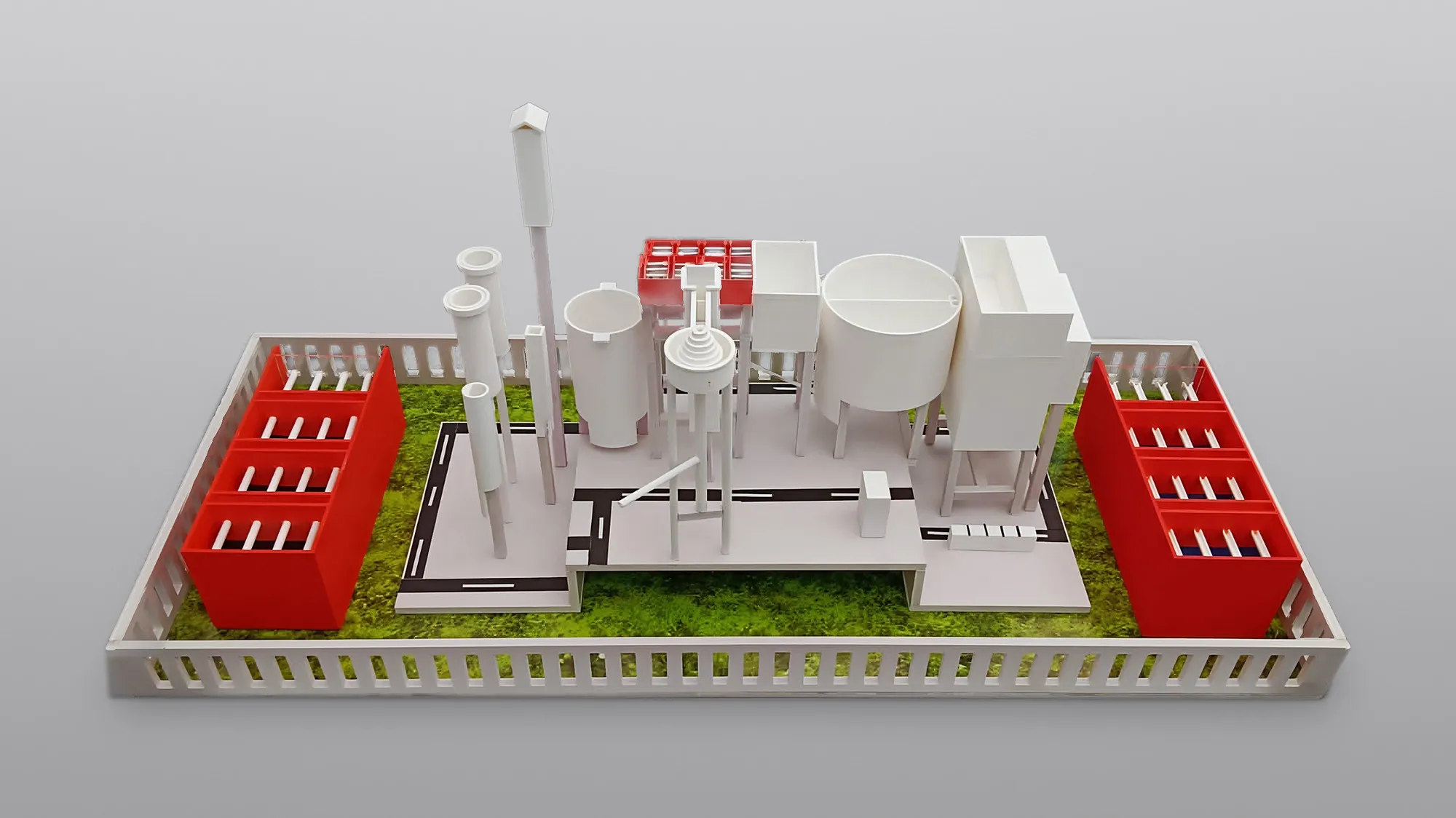
| Chemical and process engineering | Plant layout models, equipment models | FDM, painted |
| Competitions (vehicles, drones, robots) | Ducts, mounts, light brackets, fixtures | FDM in PETG, ABS or Nylon |
| Fluid machinery | Impellers, turbine blades, nozzles | FDM or resin |
Faculty and labs can also print teaching models, demonstration cut-aways and lab fixtures.
What it costs
3D printing is priced mainly by material weight, plus a small handling charge per part. Indicative prices from our quote formula, excluding GST:
| Part | FDM PLA | FDM ABS |
|---|---|---|
| Small gear 30×30×10 mm, solid | ₹53 | ₹62 |
| Bracket 50×30×20 mm, 3 mm wall | ₹76 | ₹93 |
| Figurine or small model 40×40×60 mm, 2 mm wall | ₹107 | ₹133 |
| Enclosure 100×60×30 mm, 2 mm wall | ₹170 | ₹214 |
These are indicative. The final quote depends on your file, and finishing or painting is extra. Large scale models are quoted individually.
How to keep your project cost down
- Use PLA where you can. It is the cheapest material and accurate. Switch to PETG or ABS only for parts near heat or under impact.
- Hollow out display models. A solid architectural model wastes material. A 2 mm shell is usually enough.
- Split large models. A large plant model can be printed in sections and assembled, which is also easier to carry to an exhibition.
- Combine parts in one order. Small parts printed together reduce your effort and help with resin pricing, where several parts share one build plate.
- Check your file before sending. Units in mm, no missing faces, walls thicker than about 1 mm. Our quote guide explains what to check.
From sketch to printable file
Many students have a hand sketch or a 2D drawing rather than a clean 3D model. You can model it yourself in SolidWorks, Fusion 360, CATIA or similar and export STL. If you get stuck, our mechanical designer can create or fix the model, for a fee; ask us for a quote.
We will also tell you if a part is likely to fail in the chosen material, for example a thin PLA gear on a motor shaft, before you print it.
Printed parts that work, not only look right
A project part that looks right on the table can still fail on the test day. A few practical points from the way printed parts behave:
- Heat. PLA softens at relatively low temperatures. A PLA motor mount next to a hot motor, or a part left in a car in summer, can droop. Use PETG or ABS there.
- Layer direction. Printed parts are weakest between layers. A thin bracket printed standing up can snap along a layer line; tell us how the part is loaded so we orient it correctly.
- Holes and shafts. Printed holes come out slightly undersize. For bearings and shafts, leave a little clearance or plan to drill or ream the hole to size.
- Gears. Printed gears work for demonstrations and light loads. For a gear driven by a strong motor, use Nylon, increase the face width, or consider a metal gear for that stage.
If you explain what the part does, we will point out these issues before printing rather than after it fails.
Scale models for exhibitions and project displays
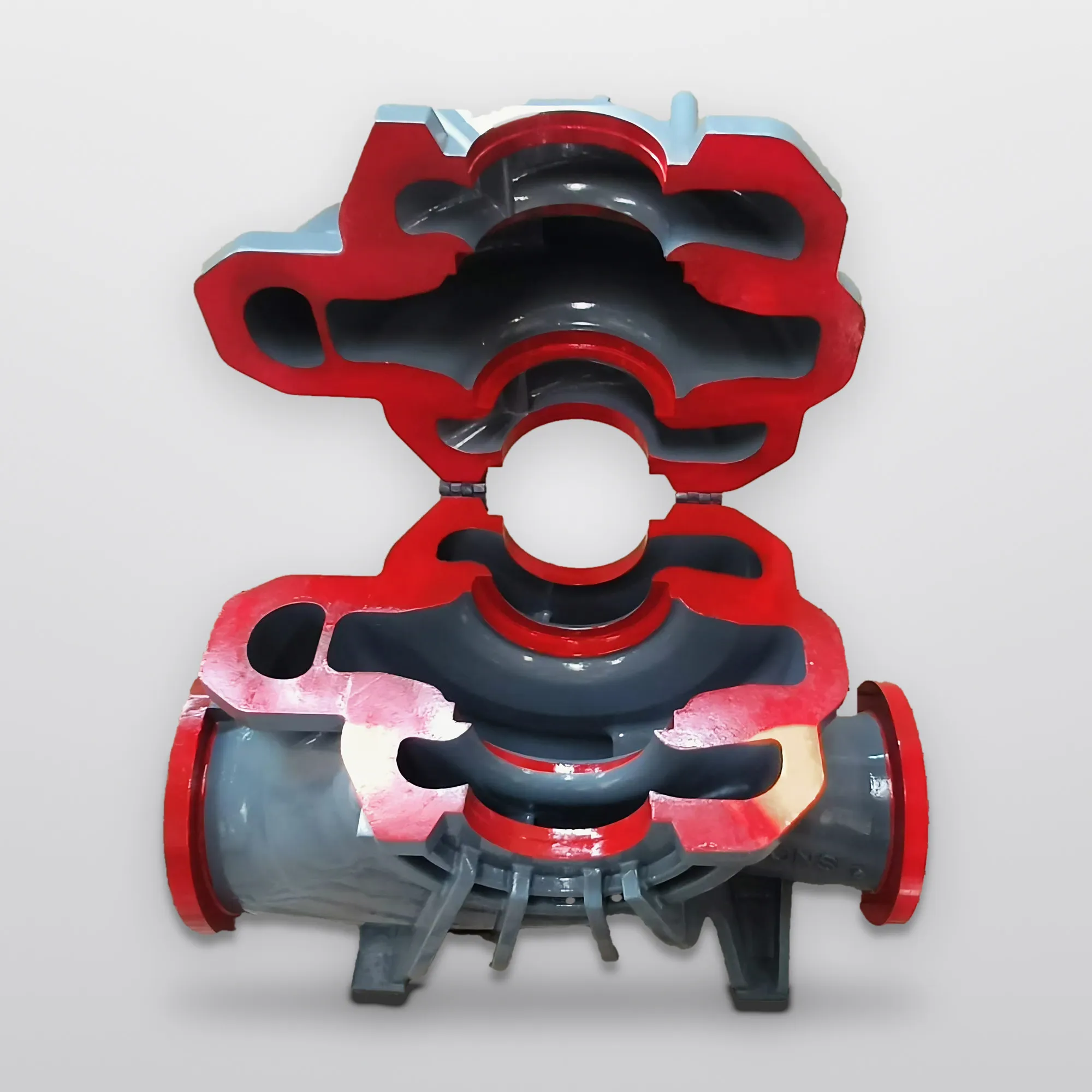
A well-finished model makes a project easier to explain. We print and paint scale models of industrial plants, machines, buildings and floor plans, including cut-away models that show the inside of a pump or machine. Painting and finishing are done in-house; see finishing.
Visit the factory
A visit is useful beyond your own order. In one factory you can see FDM printers, resin printers and a 250-tonne injection moulding press running, which helps when you are writing about manufacturing processes in a project report. Students and faculty groups are welcome; call +91 93568 71008 to fix a time.
What to send
- STL or STEP file (or a sketch with dimensions)
- Material, colour and quantity
- Your submission or exhibition date
- Name for the invoice (yours or the college’s)
Payment is 50% advance and 50% before collection or dispatch, and pickup from our Savali factory is free.